
There are journeys that do not end when you return home. The road to South Lebanon is one of them.
Every week, as we headed toward Rmeich, Ain Ebel, and Debel, I carried the same question: would we make it there safely, and would we make it back?
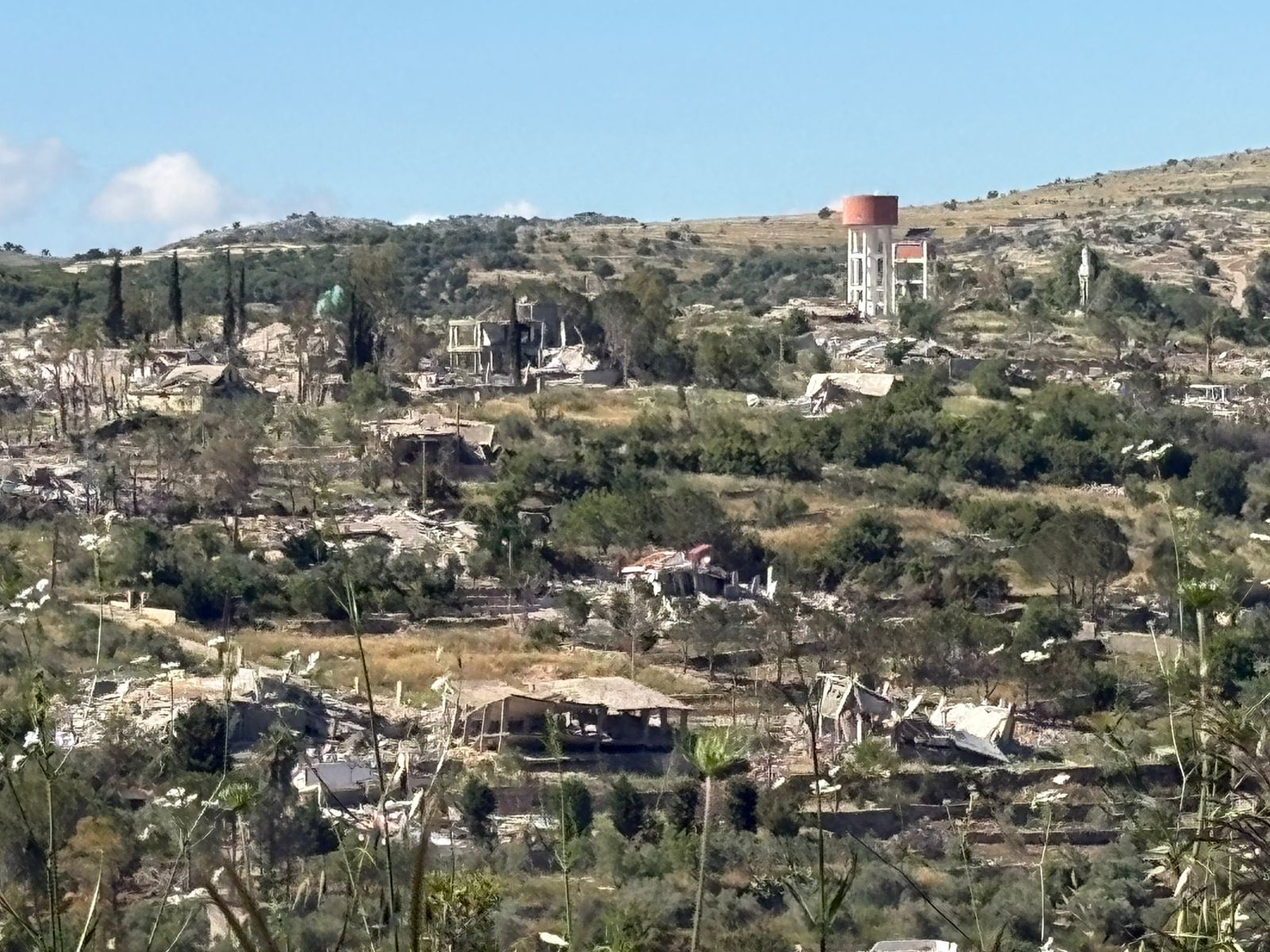
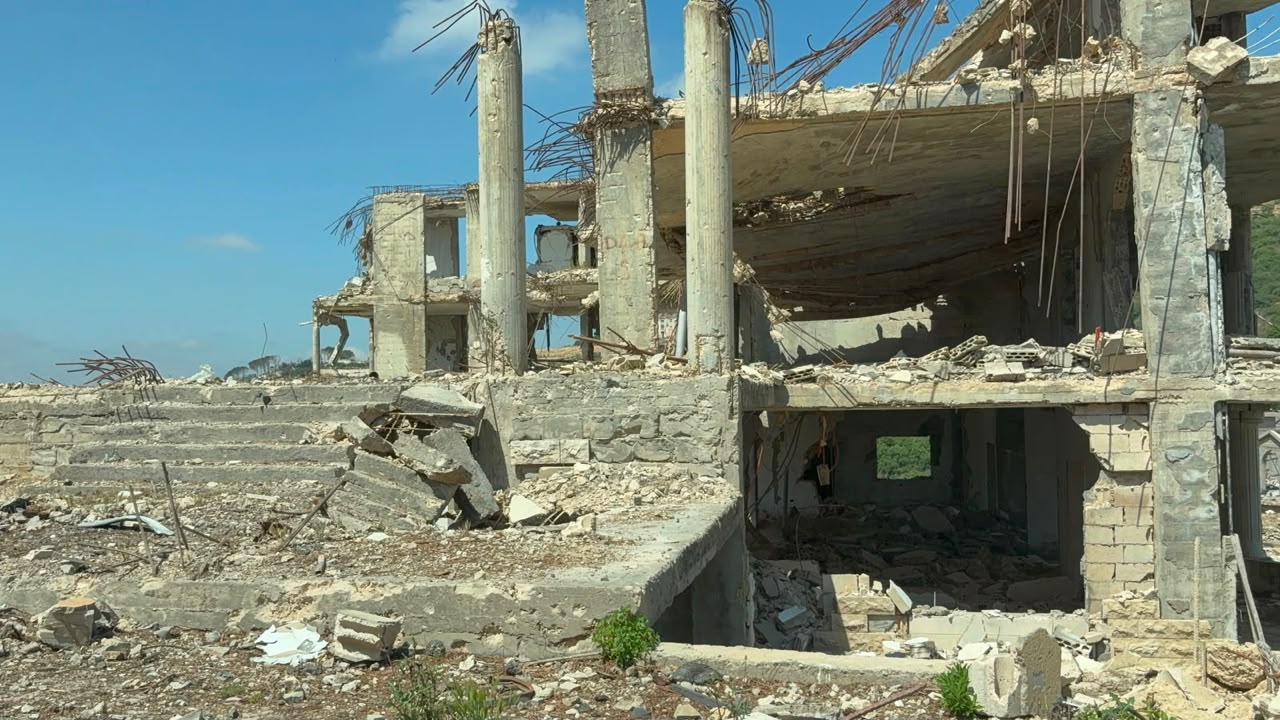
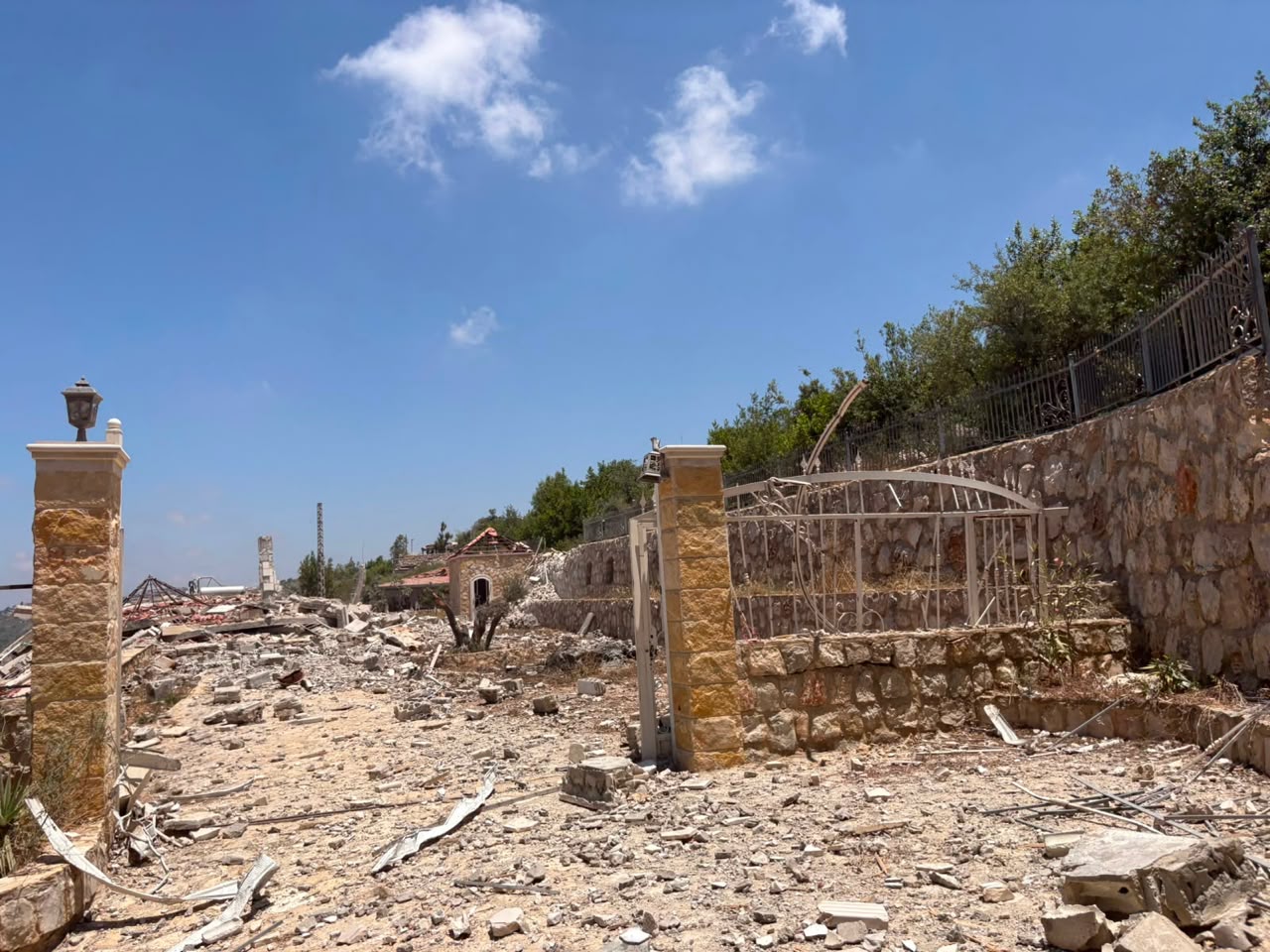
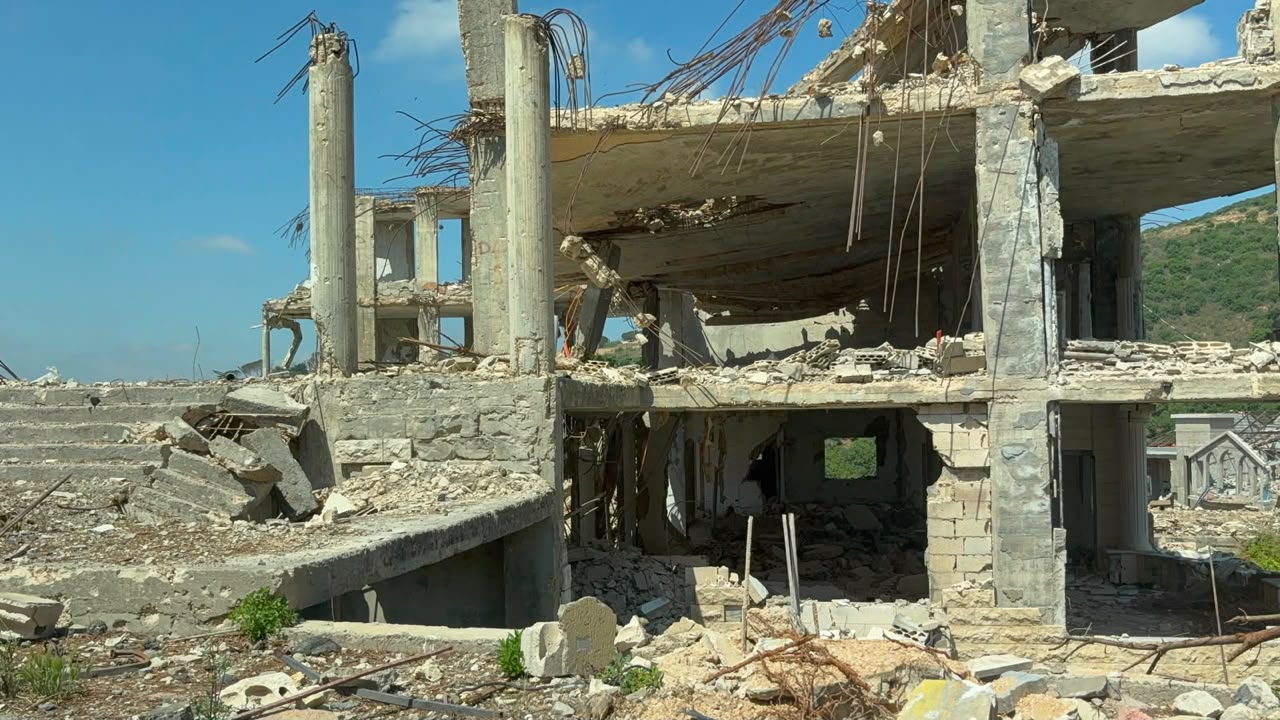
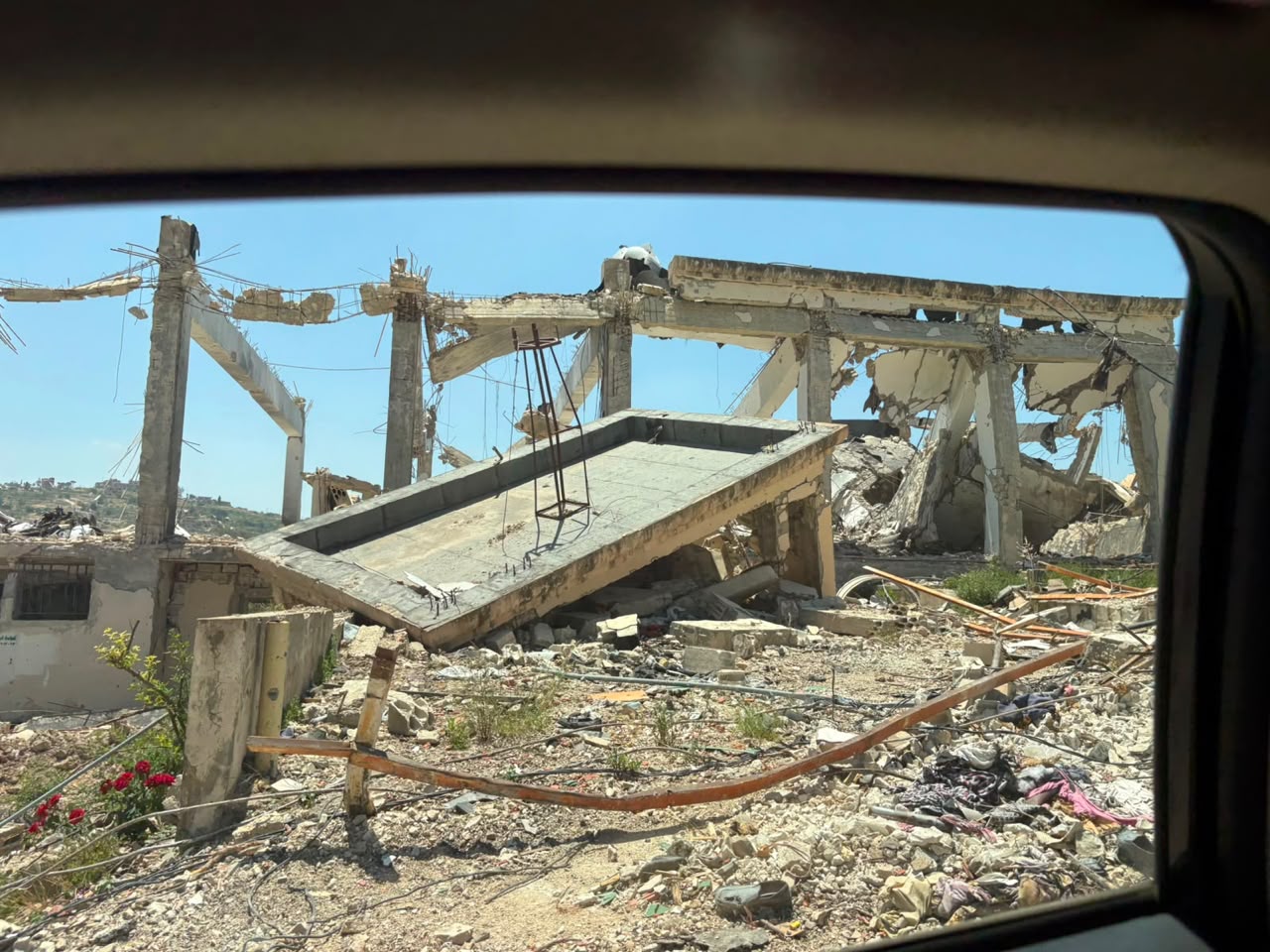
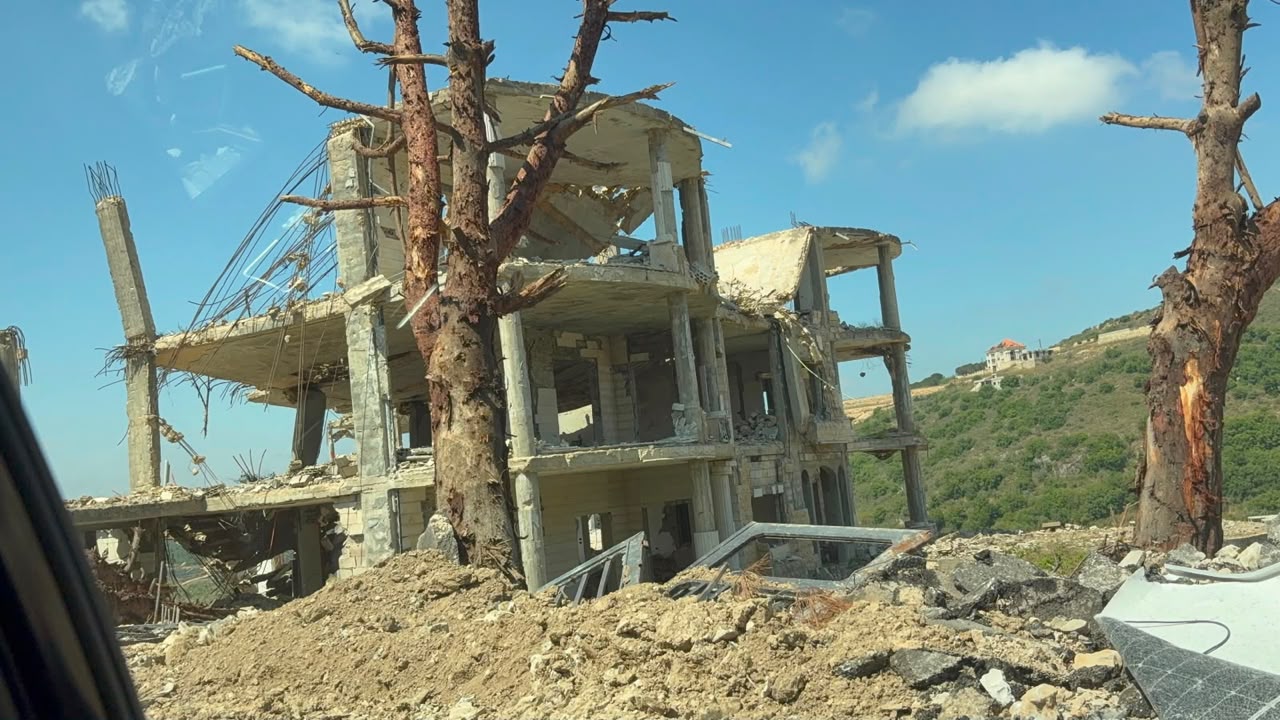
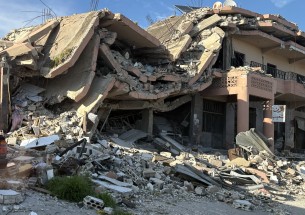
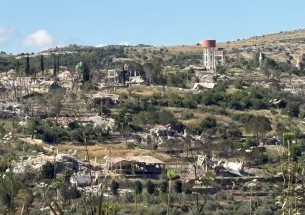
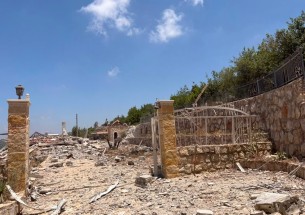
The road felt suspended between life and abandonment. Empty streets. Destroyed homes. Silence broken only by the echoes of bombardment.
While the journey stretched 135 km from Beirut, it was often the final kilometers that felt the longest.
There were days when we remained stranded for hours, uncertain whether it was safer to move forward or turn back.
At times, road closures forced us to spend the night in our vehicles; at others, we raced against security alerts only to stop and wait as bombardments struck nearby.
Fear was always present. Fear for ourselves, for our loved ones waiting at home, and for the
unknown.
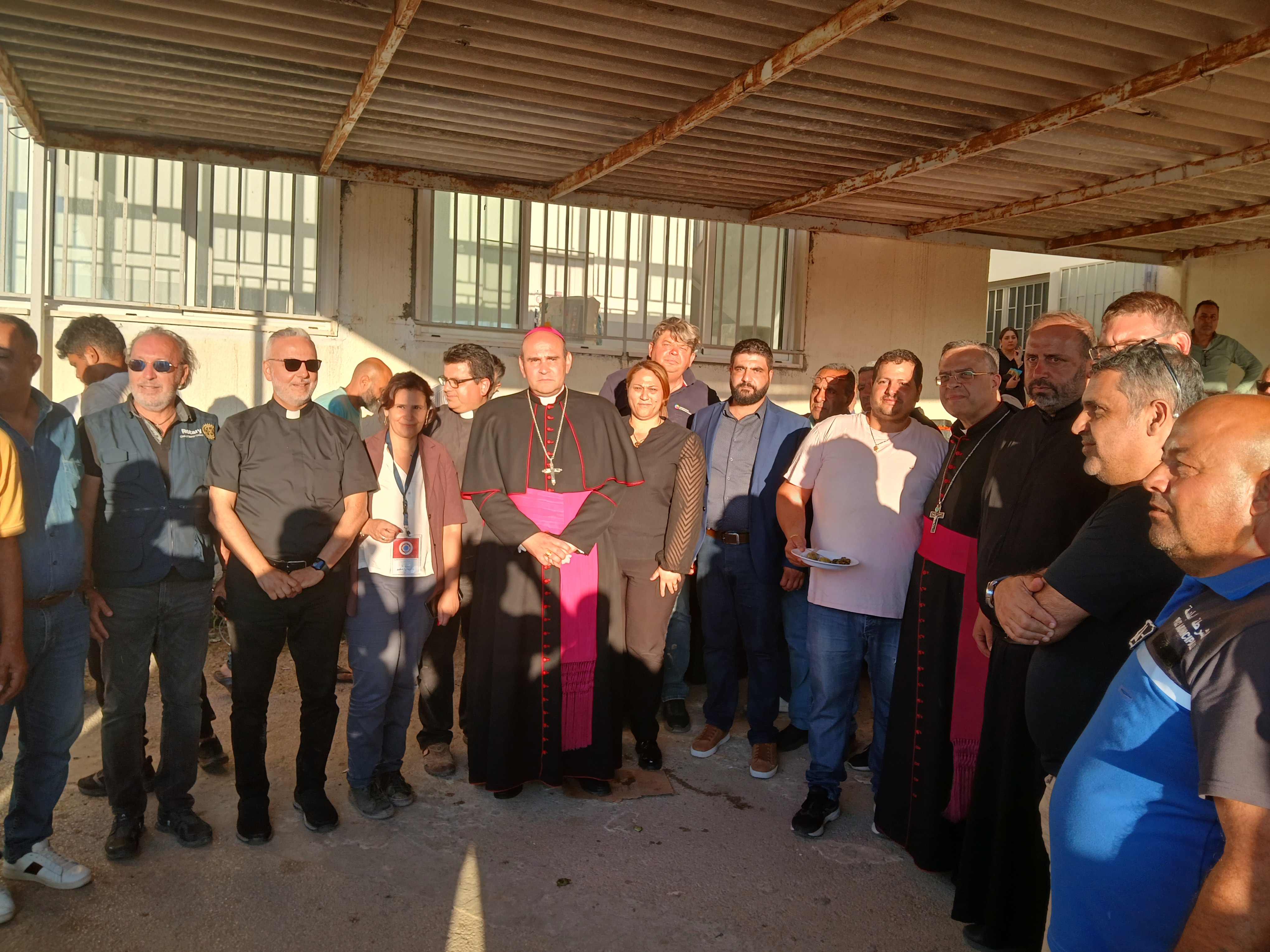
Yet every time doubt crept in, I thought of the families waiting at the end of the road—isolated communities struggling to access even the most basic necessities.
That is why we kept going.
What stayed with me was not the destruction, but the resilience. The quiet dignity of people who refused to abandon their homes and their land despite everything around them.
Even after returning to Beirut, the journey never truly ended. The sounds of bombardment lingered long after the visits, and the faces of anxious families remained in my thoughts.
But so did the certainty that our presence mattered.
Every convoy carried more than essential supplies. It carried a message: You are not alone.
In places threatened by isolation and abandonment, we brought not only aid, but solidarity, human connection, and hope.
And that is why we will continue.
Patricia R. Sfeir
WPF Director
.png)
.png)
.png)
.png)
.png)

.png)
.png)
.png)
.png)
.png)






 Back To All News